
Should you release house, techno, and downtempo under the same artist name?
I share the pros, cons, and why I started a new project to avoid confusing algorithms and fans.
You can find the first release of my new side project Still No Jazz here.
If you’ve been following my story and my music so far, you’ll have already noticed that my music doesn´t focus on a single (sub)genre.
If I imagine producing only dub techno, only deep house or only minimal, I’d probably lose interest after a short while.
When I look at the work of my favorite producers (including Martin Buttrich and John Beltran), I find an incredibly wide range of great music there.
That’s also my vision for how I want to shape my own music catalogue over the years.
The downsides of a broad musical portfolio
However, producing and releasing music across different subgenres also has its drawbacks, particularly in today’s world of algorithm-driven streaming services.
People can’t pigeonhole you so easily.
And anyone listening to my new tracks expecting them to sound similar to my previous ones is bound to be disappointed here and there, or at least confused.
I suppose I’ll just have to live with that drawback.
Music for dancing and for listening
Up to now, I haven’t consciously distinguished between music for dancing and music for listening in my releases.
Ultimately, it’s impossible to draw a clear line between the two.
Conversely, that isn’t always the case.
For example, a sufficiently long intro and outro that gives the DJ time to mix the track in and out.
There’s a musician inside me
I originally began my musical journey as a guitarist. I played in various rock bands during my youth.
Later on, I became fascinated by instrumental music and jazz, and I spent days simply improvising on the guitar to the music.
It was only after that, in the late 1990s, that I discovered club music via drum and bass and began experimenting with synths and drum machines.
Unfortunately, many 4-on-the-floor genres aren’t the best musical home for guitar sounds.
This is more the case with downtempo house.
That’s why I’ve experimented a bit with this genre and achieved some very pleasing results.
The future of Magasine
I will continue releasing club-oriented tracks under the Magasine moniker.
These tracks fall somewhere between house, techno, and minimal, with tempos ranging from 125 to 130 BPM.
The music will primarily focus on the needs of DJs, but of course it won’t be purely functional.
So it’s also made for people who simply want to listen to this kind of electronic music.
And I’ll continue to experiment with different subgenres such as minimal or Detroit.
Still No Jazz
However, under the name Still No Jazz, I’ll be producing soulful, rather downtempo house music.
This genre allows me to experiment with more complex harmonies and different instruments, which gives the tracks a slightly brighter and more playful feel.
Although the name Still No Jazz suggests that the music will have jazzy vibes, it won’t be what most people would consider “proper” jazz.
Many of the tracks will be danceable though, with a tempo ranging from 115 to 120 beats per minute (BPM).
Positive side effects
By running both projects under different names, I don’t confuse the all-powerful algorithm – be it on Spotify, Apple Music or Beatport.
Despite all the musical variety, labels help people to sort things out sensibly.
This also makes it easier to market and promote the tracks, as it’s clear who they’re aimed at.
I also don’t want to be seen as “that guy who does a bit of everything”
What matters most to me is having fans who enjoy my music. Whether it’s for one project or another.
If you’re interested, I’d of course be delighted if you followed both.
Featured Release
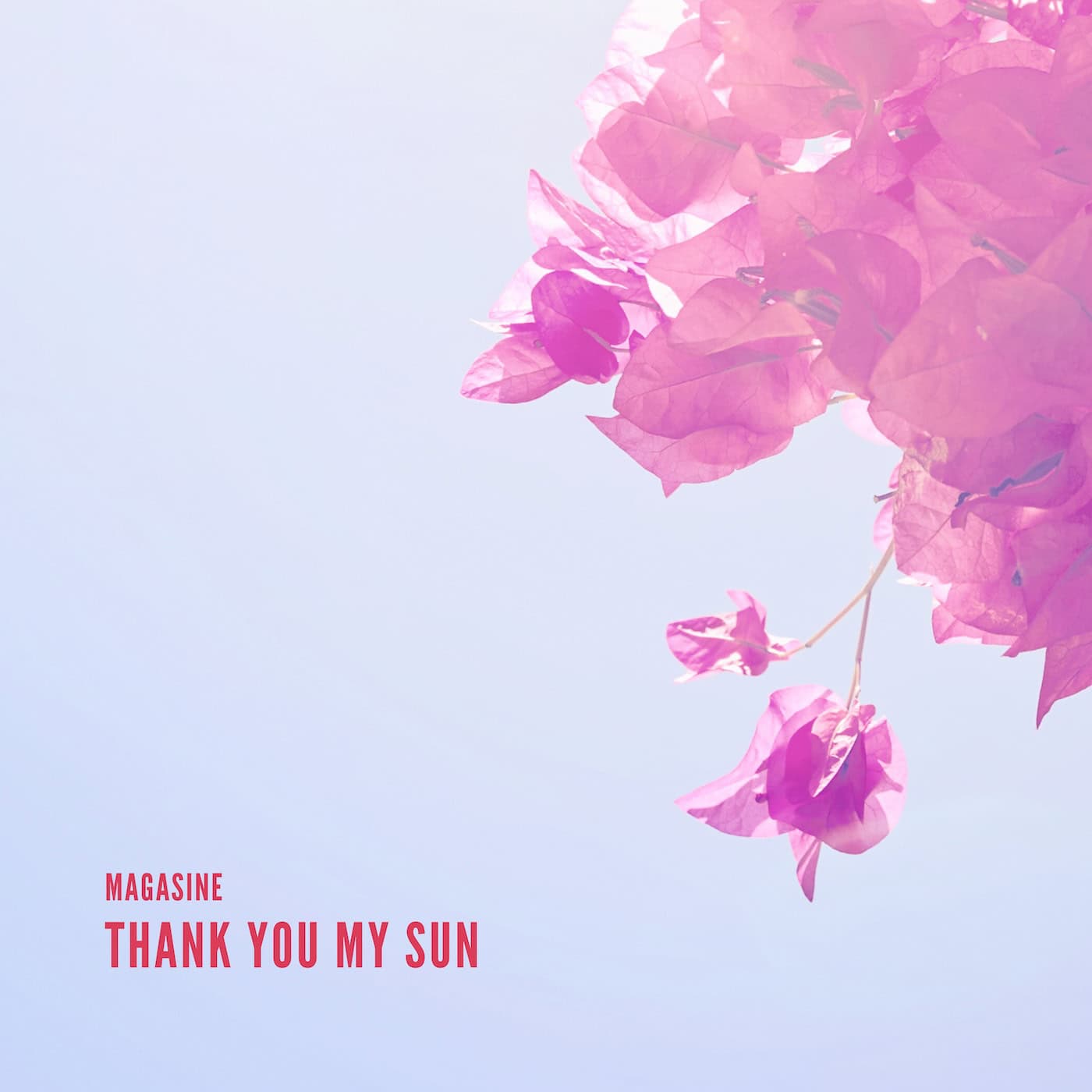
My second Vinyl EP is out now! Thank You My Sun has four upbeat tracks that fit somewhere between house, tech house, and minimal.
Listening recommendations
As always, I’ve got some great tracks for you, both old and new.
Marco Nastic – Everyday Baby
Format: Vinyl (see Discogs) & Digital
Label: Sleep Is Commercial
Genre: Tech House
Year of Release: 2011
Favorite Track: Trophy Tour
What I like about this release:
I stumbled upon Marco Nastic at an event called Techno Ballet at Cologne’s famous Bootshaus club. He delivered the soundtrack for an impressive performance by dancers from the Berlin Ballet Company. If you like techno and ballet, check this out!
Tar Blanche – How to dance freely without social anxiety
Format: Vinyl & Digital
Label: Delicious Records
Genre: Downtempo House
Year of Release: 2025
Favorite Track: If You Can´t Trust Your Heart
What I like about this release:
First of all, there’s the title. How ingenious to call an album How to Dance Freely Without Social Anxiety! 🙂 Although the music comes across as more of an easy listening experience, it’s definitely suitable for gently shaking your hips while enjoying a cool drink.
V.A. – Nothing Can Go Wrong
Format: Vinyl
Label: Breidenbach
Genre: Minimal
Year of Release: 2025
Favorite Track: Chris Llopis – Aetherial Haze (B2)
What I like about this release:
Breidenbach’s third vinyl release features four different styles of minimalism. The entire EP is outstanding, but I’m especially fond of Chris Llopis’s “Aetherial Haze” with its melodic yet minimalist synth lines.
Delano Smith – Deeper Fundamentals I
Format: Vinyl & Digital
Label: Mixmode Recordings
Genre: Detroit Techno
Year of Release: 2020
Favorite Track: On Arrival (B2)
What I like about this release:
Everything. I’ve been listening to Delano’s music for years. It’s one of those EPs that I can listen to at any time.
Take care, Magasine